Soft Washing: A Safe Way to Clean Windsor's Heritage Roofs
Anyone researching roof cleaning Windsor heritage properties can safely undergo will quickly come across the term soft washing, and for good reason. Windsor's Georgian and Victorian streets, along with the historic cores of Eton and Datchet, are full of clay tile and natural slate roofs that were never built to withstand a modern jet washer. Soft washing offers a low-pressure alternative that removes moss, algae, and lichen without stripping the tile surface or disturbing centuries-old mortar. This guide explains exactly what soft washing is, how it differs from pressure washing, and why it has become the standard recommendation for heritage roofs across Windsor.
The quick answer: Soft washing uses low water pressure combined with a biodegradable treatment to break down moss, algae, and lichen safely, making it the preferred method for Windsor's clay tile and slate heritage roofs where high-pressure jet washing risks real damage.
1. What Soft Washing Actually Is
Soft washing is a cleaning method that relies on a specially formulated, biodegradable solution rather than raw water pressure to remove moss, algae, and lichen from a roof surface. The treatment is applied at low pressure, similar to that of a garden hose, and left to work into the organic growth over a period of time. Rather than physically blasting material off the tiles, the solution breaks down the root structure of the growth so it can be rinsed away gently without force.
This is a fundamentally different approach to the high-pressure jet washing many people associate with roof cleaning, and the difference in outcome on an older roof can be significant.
2. The Right Roof Cleaning Windsor Heritage Buildings Actually Need
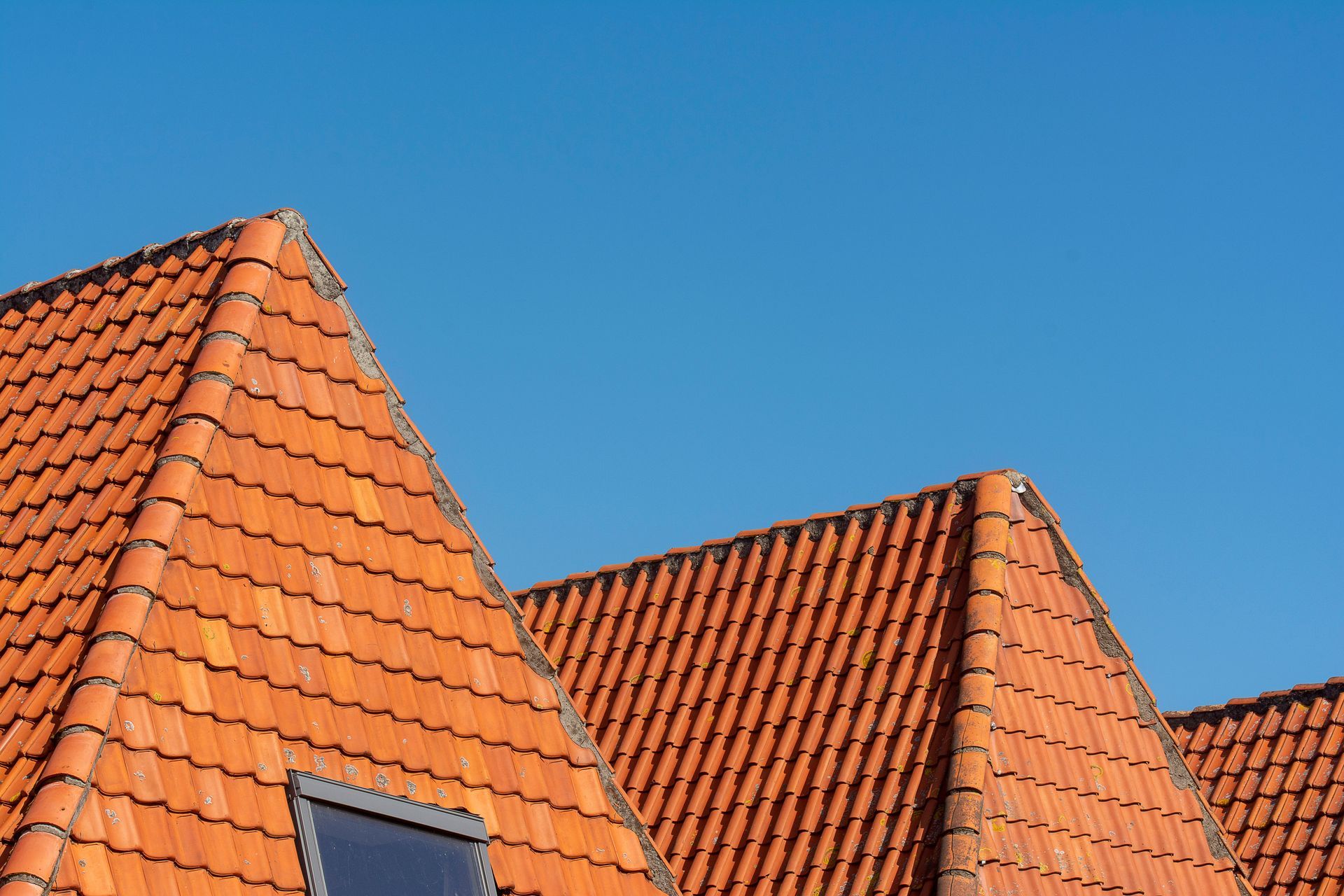
Windsor's building stock includes a large number of Georgian and Victorian properties finished in handmade or early machine-pressed clay tiles, along with natural slate on some of the town's older buildings. These materials are more porous and structurally more delicate than the concrete tiles used on modern housing, and many are bedded with lime mortar, a soft, breathable material that cannot tolerate high-pressure water at close range.
A cleaning method suited to a 1980s concrete-tiled estate roof is simply the wrong tool for a genuine Victorian original, which is why the right roof cleaning Windsor heritage properties need has to start with recognising the age and material of the roof before any work begins.
3. How Soft Washing Works Step by Step
A typical soft washing job begins with an inspection of the roof to identify the tile type, the extent of moss or algae growth, and any existing damage such as loose ridge tiles that should be noted before cleaning starts. The biodegradable treatment is then applied evenly across affected areas at low pressure, allowing it to penetrate the growth rather than simply washing over the surface.
The solution is left to work for a period of time appropriate to how established the growth is, breaking down moss and algae from the root rather than just removing the visible surface layer. A final low-pressure rinse then clears away the loosened material, leaving the tile surface intact and undamaged.
4. Soft Washing vs Pressure Washing: The Key Differences
The core difference between the two methods is force. Pressure washing relies on high-velocity water to physically strip dirt, moss, and algae from a surface, which works well on hard, non-porous materials like paving or brick but is far too aggressive for older, more fragile roof tiles. Soft washing instead relies on the cleaning solution to do the work, using minimal pressure that poses little risk to the tile surface or the mortar around it.
On a genuinely old clay or slate roof, pressure washing can strip the fired or weathered surface layer entirely, exposing softer material beneath to frost damage, and can dislodge ridge tiles by forcing water into lime mortar joints. Soft washing avoids both risks by design.
5. Which Windsor Roofs Benefit Most
Soft washing is particularly well suited to properties within Windsor's conservation areas, where original clay tiles, slate, and lime mortar pointing are common and worth protecting for both practical and heritage reasons. Our guide to caring for roofs in Windsor's conservation areas looks at this in more detail, including which parts of town are covered by conservation designation.
That said, soft washing is not only for period properties. Concrete-tiled roofs on newer estates around Dedworth and parts of Clewer also respond well to the method, even though they can tolerate slightly firmer cleaning if needed. Our comparison of clay versus concrete roof tiles in Windsor explains how each material responds differently to cleaning overall.
6. What Happens After a Soft Wash Treatment
Unlike pressure washing, which produces an instant visual result, soft washing often continues to work for several days or weeks after the initial treatment. Moss and algae killed by the biodegradable solution gradually lift and wash away with normal rainfall, meaning the roof will keep looking better in the weeks following the visit rather than looking finished the moment the team leaves.
This gradual process is a normal and expected part of how soft washing works, and it is one of the reasons the method is so much gentler on the tile surface than an instant, forceful clean.
7. How Often Soft Washing Should Be Repeated
Because soft washing treats the underlying growth rather than simply removing what is visible, its results tend to last longer than a quick pressure wash that leaves spores and root structures behind. Most Windsor properties benefit from a soft wash treatment every two to four years, depending on how shaded the roof is and how close it sits to mature trees or the river, both of which encourage faster regrowth.
An annual visual check between full treatments helps catch any early regrowth before it becomes established enough to need a full clean again.
8. Choosing a Soft Washing Provider in Windsor
Not every cleaning company offers genuine soft washing, and some use the term loosely to describe a lower-pressure setting on standard jet washing equipment rather than a true biodegradable treatment method. Before booking, it is worth asking specifically what products and pressure levels will be used, and whether the team has experience working on period clay or slate roofs in Windsor's conservation areas.
A provider with genuine local experience should be able to explain their process clearly and confidently, and should be willing to discuss how they protect ridge mortar, flashing, and any particularly fragile sections of an older roof during the clean.
- Ask what treatment is used , since genuine soft washing relies on a biodegradable solution rather than just a lower pressure setting.
- Ask about experience with period roofs , particularly if your property sits within one of Windsor's conservation areas.
- Ask how ridge mortar and flashing are protected during the clean, especially on older lime-mortared roofs.
- Ask how long results typically take to show , since soft washing continues working for days or weeks after treatment.
- Ask about the expected interval before the next clean , which helps with budgeting for ongoing roof maintenance.
Frequently Asked Questions
Is soft washing safe for all types of roof tile?
Soft washing is safe for the vast majority of roof types, including clay, slate, and concrete, and is particularly recommended for older, more porous or fragile tiles where high-pressure jet washing risks surface damage.
How long does it take to see results after soft washing?
The roof usually looks noticeably cleaner within a few days, but moss and algae killed by the treatment continue to lift and wash away with rainfall over the following weeks, so the full result develops gradually rather than instantly.
Does soft washing kill moss at the root, or just remove what is visible?
Soft washing treats the growth at the root using a biodegradable solution, which is why results tend to last longer than pressure washing, which can leave spores and root structures behind even after visible growth is removed.
How much does soft washing cost compared to pressure washing in Windsor?
Pricing for either method depends mainly on roof size, pitch, and access, though soft washing on complex period roofs with multiple chimneys and ridges can take longer to carry out properly, which may be reflected in the overall quote.
Will soft washing harm plants or grass around the property?
Reputable providers use products designed to be used safely around gardens when applied correctly, and take care to protect nearby planting during the clean, though it is always worth asking a provider directly about the specific products they use.
Is soft washing suitable for listed buildings in Windsor?
Yes, soft washing is generally considered the safest cleaning method for listed and conservation area properties, since its low pressure avoids the kind of surface stripping and mortar damage that could affect a building's historic fabric.
Considering soft washing for your Windsor roof?
Ben's Roof Cleaning has over 15 years of experience soft washing clay, slate, and concrete roofs across Windsor, Eton, Datchet, Old Windsor, and Clewer. Get in touch or call 0788 912 7153
for a free, no-obligation quote.
Soft Washing Protects the Roofs That Give Windsor Its Character
Windsor's heritage roofs have survived for generations, and the cleaning method used on them should respect that history rather than put it at risk. Soft washing offers a genuinely safer way to remove moss, algae, and lichen from clay, slate, and concrete alike, without the surface stripping or mortar damage that pressure washing can cause. For a town built around so much period brick, tile, and stone, that gentler approach is not just a preference, it is the method that keeps these roofs performing well for decades to come.