North-Facing and Shaded Roofs in Windsor: Why They Need Extra Care
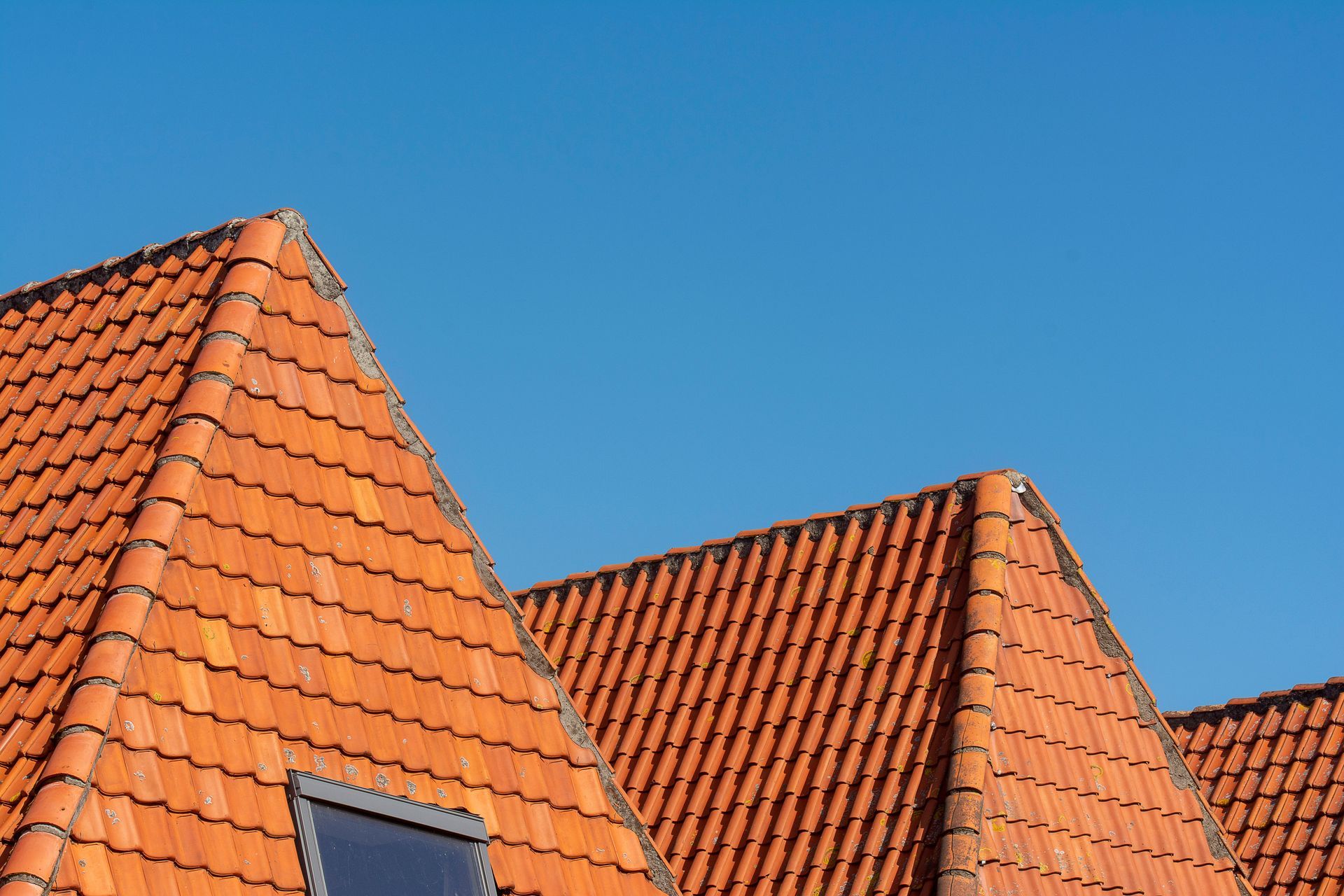
Walk down a shaded side street in Clewer or along one of the older lanes near Eton and you will often notice something odd: the roof on one side of a semi-detached pair looks decades older than its twin next door, even though both were built at the same time. The difference is usually orientation. A moss removal Windsor specialist will tell you that north-facing and heavily shaded roof slopes carry far more moss, algae and lichen than sunnier south-facing slopes on the very same house, simply because they dry out more slowly after rain. This article explains why shaded roofs in Windsor behave differently, which parts of town are most affected, and what homeowners can do about it before the damage spreads.
The quick answer: north-facing and shaded roof slopes in Windsor stay damp for longer after rain and frost, which lets moss, algae and lichen establish faster and grow thicker than on sunnier aspects, so these slopes need cleaning more often and should be checked at least once a year.
1. Why Orientation Matters More Than Most Homeowners Realise
Roof tiles do not simply get wet and dry evenly across a property. A south-facing slope receives direct sun for a large part of the day, which warms the tile surface and drives off moisture within a few hours of a shower. A north-facing slope on the same roof may stay in shadow all day, particularly in autumn and winter when the sun sits low in the sky. That slope can remain damp for a day or more after the same rainfall event, especially once the surrounding trees are in leaf or a neighbouring wall throws a permanent shadow across it.
Moss and algae are opportunistic organisms. They do not need much, just a damp, undisturbed surface and enough time to take hold. Once spores land on a consistently moist tile, they germinate and spread across the surface, gradually building up cushions of moss that trap even more moisture underneath. This is why the shaded side of a roof in Windsor so often looks years older than the sunlit side, even though both sides are made from the same material and were laid on the same day.
2. Windsor's Riverside Setting Adds to the Problem
Windsor sits directly on the River Thames, and that riverside position keeps background humidity higher than in many inland towns, particularly overnight and in the early morning when mist can sit over the water and drift into nearby streets. Combine that ambient dampness with a shaded, north-facing roof slope and you get close to ideal conditions for moss and algae growth. Homes closer to the river in areas such as Romney Lock, the Brocas side of Eton, and stretches along the water towards Datchet and Old Windsor tend to see this effect more strongly than properties set back on higher, more open ground.
We cover this riverside dampness in more depth in our article on Thames-side damp and moss growth, which explains how the river influences roofs across the wider town, not just the properties directly beside the water.
3. Trees, Walls and Neighbouring Buildings Make Shading Worse
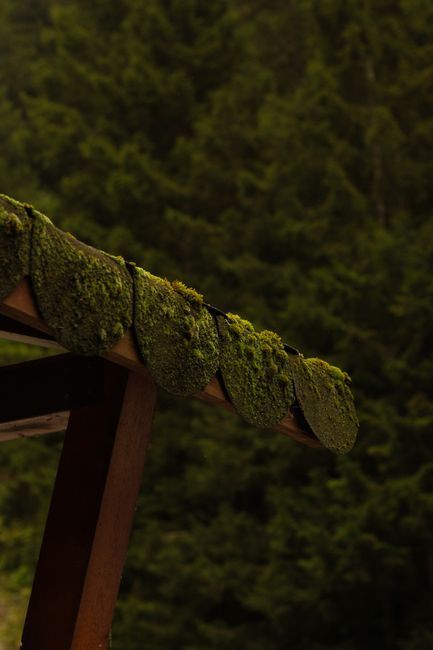
Orientation is only part of the story. Mature trees are common along many of Windsor's older residential streets, from the leafy roads around Clewer Green to the avenues near the Great Park, and their canopies can throw shade across a roof slope for much of the day even when that slope technically faces south or east. Tall garden walls, dense hedging and closely built Victorian terraces in Dedworth and around the town centre can have a similar effect, blocking low winter sun from ever reaching part of a roof.
Overhanging branches cause a second problem beyond shade: they drop leaves, twigs and sap onto the roof and into the gutters, adding organic material that feeds moss and algae directly. A shaded roof under an overhanging tree is often the worst combination a homeowner can have, and it is usually the first place moss reappears even shortly after a clean.
4. How to Spot a Shaded Roof That Needs Attention
Because the problem builds slowly, many homeowners only notice it once moss is thick enough to be obvious from the street or from an upstairs window of a neighbouring property. Look out for the following signs, particularly on the north or shaded side of the roof:
- Green tinting or a velvety texture on tiles that never seems to dry out, even during a run of warm weather.
- Visible cushions of moss sitting proud of the tile surface, especially along ridge lines and in the angle where two roof slopes meet.
- Moss or grit in the gutters below the shaded slope, often washed down after heavy rain.
- Slipped or lifted tiles on the shaded side, caused by moss holding water against the tile and, in cold snaps, that water freezing and expanding.
- A visible colour difference between the shaded and sunlit slopes of the same roof when viewed from across the street.
5. Why This Matters for Clay and Concrete Tiles Alike
Windsor's roofscape is a genuine mix of older clay tiles on Georgian and Victorian properties and newer concrete tiles on twentieth-century housing in areas such as Dedworth. Both materials are affected by shading, though not always in quite the same way. Concrete tiles have a slightly more porous surface that can hold moisture and support algae growth readily, while clay tiles, particularly older or reclaimed ones, can develop moss in their natural surface texture and around any chips or wear. Our detailed comparison of clay versus concrete roof tiles in Windsor goes into how cleaning methods should be adjusted for each, which is especially relevant when a shaded slope has been left untreated for several years.
6. The Risk of Leaving a Shaded Slope Untreated
A little moss on a roof is not, by itself, a structural emergency. The risk builds over time. As moss cushions thicken, they hold rainwater against the tile surface for longer, which in winter increases the chance of frost damage as trapped water expands. Thick moss can also lift tiles slightly, creating small gaps that let wind-driven rain find its way underneath. Left long enough, moss and debris wash down into the gutters, contributing to blockages that send water over the gutter edge and down the wall below rather than through the downpipe, which is a particular concern on Windsor's older brick and render properties.
None of this happens overnight, but a shaded roof that is never checked or cleaned will typically show these problems years before a sunnier equivalent on the same street.
7. What Regular Moss Removal Windsor Homes Actually Need
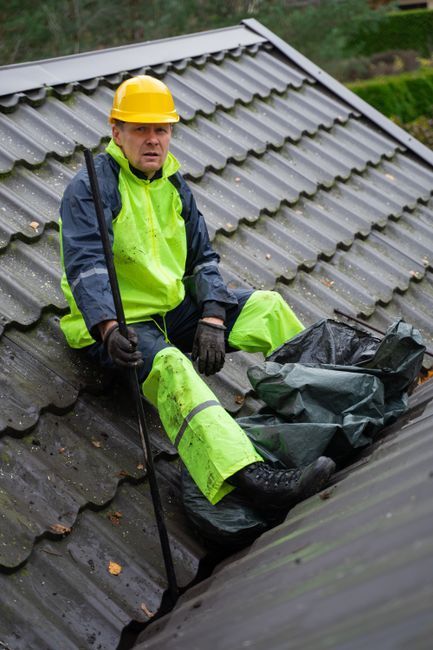
Because shaded and north-facing slopes retain moisture for longer, they generally need cleaning on a shorter cycle than the rest of the roof, even if the sunnier slopes still look reasonably clean. A sensible approach is to have the whole roof inspected annually, with particular attention paid to shaded areas, and to schedule a clean whenever moss cushions become visible rather than waiting for the entire roof to look uniformly bad. Gentle, low-pressure methods are preferable to aggressive pressure washing, particularly on older clay tiles, because they remove moss and algae without stripping the protective surface of the tile or forcing water up under it. Our guide to soft washing as a safe cleaning method explains this approach in more detail.
Trimming back overhanging branches where possible, and keeping gutters clear beneath shaded slopes, both help extend the time between cleans and reduce how quickly moss returns once a roof has been treated.
8. Seasonal Timing for Shaded Roofs
Shaded slopes are worth checking at more than one point in the year. Autumn is important because falling leaves collect fastest in shaded corners and against ridge lines that never quite dry out. Late winter or early spring is also a good time for a closer look, since this is when the cumulative effect of a damp, low-light winter is most visible, and any tiles loosened by frozen, trapped water tend to show themselves. Addressing problems at either of these points, rather than waiting for high summer when everything looks deceptively dry, gives the best chance of catching issues before they become expensive.
Frequently Asked Questions
Why does only one side of my roof have moss?
This is almost always down to orientation and shade. The side that gets less direct sun, whether because it faces north or is shaded by a tree, wall or neighbouring building, stays damp for longer after rain and provides better conditions for moss and algae to establish and spread.
Will trimming a tree stop moss coming back?
It helps considerably. Reducing overhanging branches lets more light and air reach the roof surface, speeding up drying time and cutting down on the leaves and debris that feed moss growth, though it will not eliminate the underlying effect of a genuinely north-facing slope.
Does a shaded roof need cleaning more often than the rest of the house?
Generally yes. Because shaded slopes retain moisture longer, moss tends to return there faster than on sunnier parts of the same roof, so it is common for that slope to need attention on a shorter cycle even when the rest of the roof still looks clean.
Is moss on a shaded roof a sign of a leak?
Not necessarily, but thick, longstanding moss can allow water to sit against tiles and, over time, find its way underneath, so a roof with heavy moss on a shaded slope is worth checking for damp patches in the loft below as a precaution.
How much does cleaning a shaded or mossy roof cost?
Costs vary with roof size, pitch, access, how established the moss is, and how many slopes need treating, so it is not something that can be quoted accurately without seeing the roof. As a general point, a roof that has been left for several years and has thick moss will usually take longer and cost more to treat safely than one cleaned on a regular schedule, which is one reason routine maintenance tends to work out more economical over time.
Can I clean a shaded roof myself?
Climbing onto a roof, especially a damp or mossy one, carries real risk of a fall, and scraping or pressure washing tiles incorrectly can crack them or strip their surface. Most homeowners are better served leaving shaded, moss-prone slopes to a professional with the right equipment and experience working safely at height.
Got a shaded or north-facing roof that always seems to be the mossiest part of the house?
Ben's Roof Cleaning has over 15 years of experience treating shaded and moss-prone roofs across Windsor and the surrounding villages. Get in touch or call 0788 912 7153
for a free, no-obligation quote.
Shaded Roofs Need Their Own Maintenance Schedule, Not the Same One as the Rest of the House
Windsor's mix of tree-lined streets, riverside humidity and closely built period housing means that a great many roofs in the town have at least one slope that stays damp for longer than the rest. Treating that slope as part of a general, once-in-a-while roof clean often means it falls behind and develops problems the sunnier side never has. Checking shaded and north-facing roof areas on their own schedule, and dealing with moss while it is still a light covering rather than a thick cushion, is one of the simplest ways Windsor homeowners can protect their roof and avoid more costly repairs later on.