Clay vs Concrete Roof Tiles in Windsor: Cleaning Compared
Drive through Windsor and you will spot both within a few streets of each other: warm, slightly uneven clay tiles on a Georgian or Victorian terrace, and the flatter, more uniform look of concrete interlocking tiles on a post-war semi further out towards Dedworth. Anyone arranging roof cleaning Windsor properties need has to start by knowing which of the two they are dealing with, because clay and concrete respond very differently to moss, algae, and the cleaning methods used to remove them. This guide compares the two materials directly, covering how each performs, what tends to grow on them, and how cleaning should differ between a period clay roof and a modern concrete one.
The quick answer: Clay tiles are more porous and more fragile than concrete, so they need low-pressure soft washing, while concrete tiles are tougher and more tolerant of firmer cleaning, though both still benefit from a gentle approach to get the longest life out of the roof.
1. Two Common Tile Types Across Windsor's Roofs
Windsor's building history spans several centuries, and its roofing materials reflect that. Georgian townhouses near the Castle and Victorian terraces further out towards Clewer were generally finished with handmade or early machine-pressed clay tiles, sometimes alongside natural slate. Post-war expansion around Dedworth and parts of Clewer introduced concrete interlocking tiles, a cheaper, more uniform product that became standard across much of British housebuilding from the mid-twentieth century onward.
Both materials are still doing their job across the town today, which means any roof cleaning service working locally needs to be equally comfortable with both, not just familiar with one or the other.
2. How Clay Tiles Behave on Georgian and Victorian Homes
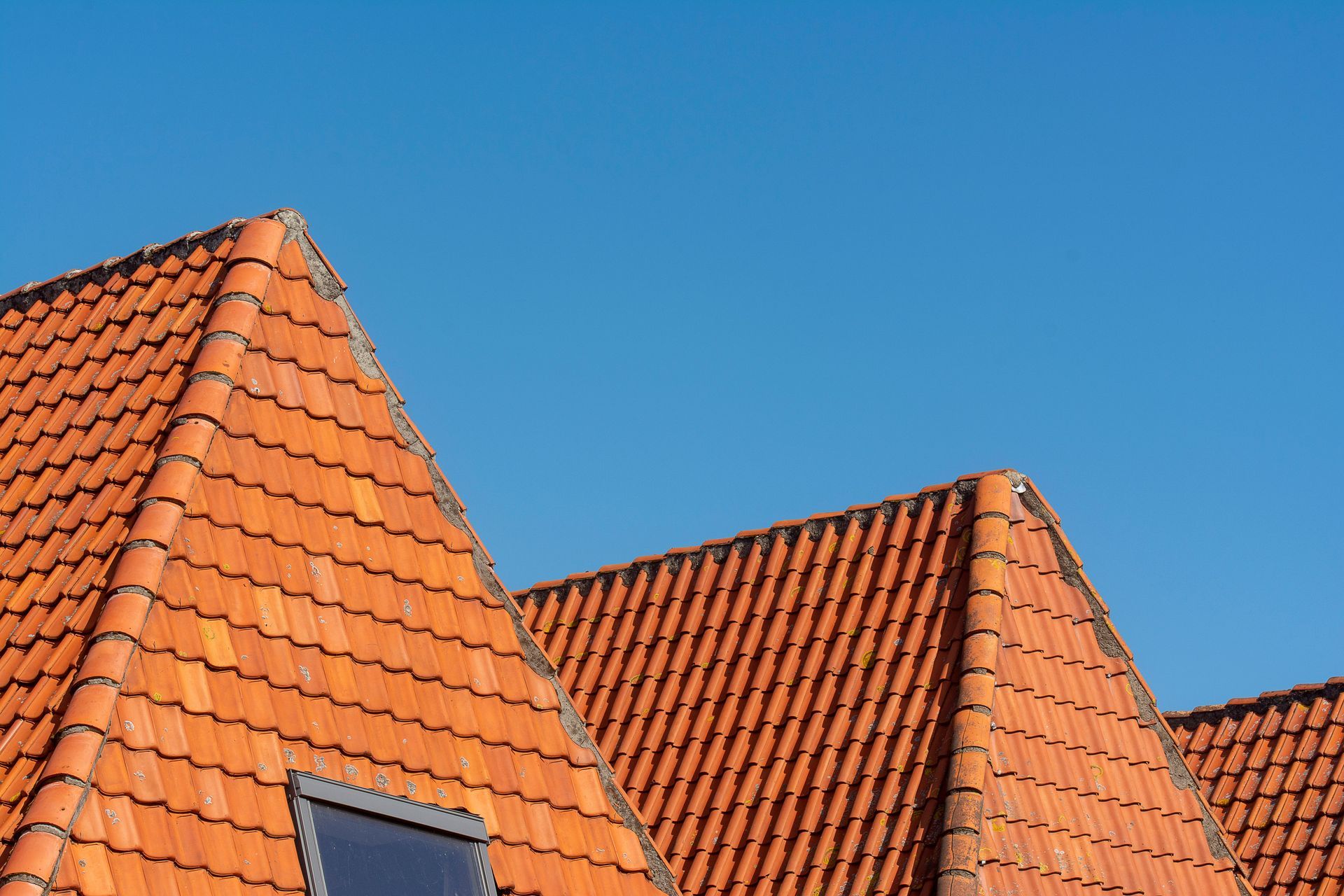
Clay tiles are fired from natural clay, giving them a slightly porous, textured surface that ages beautifully but also absorbs and holds onto moisture more readily than concrete. On older Windsor properties, clay tiles are often bedded with lime mortar at the ridges, a material chosen specifically because it is breathable and flexible, in contrast to the harder cement mortar used on modern roofs.
That porosity is a double-edged sword. It gives clay roofs their distinctive weathered character, but it also means moss spores and algae find an easier surface to grip onto than they would on smoother concrete, particularly on shaded, north-facing pitches common on Windsor's narrower, tree-lined streets.
3. How Concrete Tiles Perform on Newer Windsor Estates
Concrete tiles are manufactured to a consistent density and profile, which makes them tougher and more uniform in how they weather. They are less porous than clay, so they tend to shed water faster and dry out sooner after rain, and they are generally more tolerant of a firmer clean without the same risk of surface damage seen on older clay tiles.
That does not mean concrete roofs are immune to problems. Black algae streaking is actually more common on smoother concrete surfaces than on textured clay, since the algae responsible tends to prefer the specific surface chemistry of cement-based products. A concrete roof that looks patchy with dark streaks rather than green cushioning is usually dealing with algae rather than moss, which changes the cleaning approach slightly.
4. Why Moss and Algae Treat Each Material Differently
Moss favours rough, porous, shaded surfaces where it can establish a physical grip, which makes older clay tiles on shaded pitches particularly susceptible. Algae, by contrast, is less fussy about surface texture and spreads readily across the smoother face of concrete tiles, especially where a roof gets consistent moisture but also some exposure to light.
This difference matters because a cleaning method effective against thick moss cushions on clay is not automatically the right approach for a concrete roof dealing mainly with algae staining. Understanding which growth you are actually looking at is the first step to choosing the right treatment.
5. Cleaning Clay Tiles the Safe Way
Because clay tiles are more fragile and their surface more easily damaged, low-pressure soft washing is the standard recommended approach. This method uses a controlled, biodegradable treatment left to break down moss and algae over time rather than blasting it off with force, protecting both the tile surface and any lime mortar bedding around ridges. Our full guide to soft washing for Windsor's heritage roofs explains exactly how the process works and why it suits older clay so well.
High-pressure jet washing on clay tiles risks stripping the fired surface layer, exposing softer material beneath to frost damage, and can dislodge the mortar around ridge tiles, so it is generally best avoided on genuinely old clay roofs.
6. Cleaning Concrete Tiles Without Overdoing It
Concrete's greater durability means it can usually tolerate a firmer clean than clay without the same risk of surface stripping, but that does not mean maximum pressure is the right choice either. Excessive force can still dislodge the cement-based coating some concrete tiles carry, and can drive water into the roof structure through gaps around flashing and valleys. A measured approach, matched to how established the algae growth actually is, gets the best long-term result without unnecessary wear.
Concrete roofs generally hold up well to a soft wash treatment too, so choosing the gentler method as standard across a mixed portfolio of properties is rarely the wrong call, even where a firmer clean would technically be tolerated.
7. Mixed Streets: When Neighbouring Roofs Need Different Care
Windsor's mix of infill development alongside genuine period terraces means it is common to find a Victorian clay roof sitting next to a mid-century concrete one on the very same street. Homeowners in conservation areas around the town centre, Eton, and Datchet are especially likely to have original clay or slate roofs that need particular care, a topic we cover in more depth in our guide to caring for roofs in Windsor's conservation areas.
A contractor working across Windsor needs to recognise which material they are looking at on each individual job rather than applying a single blanket method to every roof on a street.
8. Gutters Matter Whichever Tile You Have
Regardless of whether a roof is clay or concrete, debris and organic growth washed down from the tiles ends up in the same place, the gutter line. Blocked gutters cause the same problems on both tile types, sending overflow down brickwork and render and encouraging damp at eaves level. Our guide to gutter cleaning that protects Windsor's brick and render covers what to look out for and how often gutters typically need attention.
Keeping gutters clear alongside a properly matched roof cleaning method rounds out a sensible maintenance routine for any Windsor property, whatever it is roofed with.
- Green, cushion-like growth on shaded pitches, more typical of moss on porous clay tiles.
- Dark streaking without obvious texture , usually a sign of algae on a smoother concrete surface.
- Loose or displaced ridge tiles , which can indicate failing lime mortar on an older clay roof needing checking before cleaning.
- Faded or patchy colour across a concrete roof , which can be lichen or algae rather than surface wear.
- Moss or algae fragments in the gutter , showing growth has already progressed enough to shed material from either tile type.
Frequently Asked Questions
How can I tell if my Windsor roof has clay or concrete tiles?
Clay tiles typically have a slightly uneven, textured, warm-toned surface and are more common on Georgian and Victorian properties, while concrete tiles look flatter, more uniform, and are more typical of post-war housing around Dedworth and parts of Clewer. If you are unsure, a roof cleaning professional can usually identify the material at a glance.
Do clay tiles need cleaning more often than concrete?
Not necessarily more often, but the method matters more. Clay tiles are more prone to moss growth on shaded pitches and need gentler cleaning, while concrete tiles tend to show algae staining and can generally tolerate slightly firmer cleaning without the same risk of surface damage.
Is soft washing suitable for both clay and concrete roofs?
Yes. Soft washing works well on both materials, and it is the safer default choice for clay tiles in particular, since it avoids the surface stripping and mortar damage that pressure washing can cause on more fragile, porous tiles.
How much does roof cleaning cost in Windsor for clay versus concrete tiles?
Costs are generally similar for either tile type and depend more on roof size, pitch, and how established the growth is, though period clay roofs with complex ridges and multiple chimneys can take longer to clean carefully, which may affect overall pricing.
Will pressure washing damage a concrete tile roof?
It can, if used excessively. While concrete is more tolerant of pressure than clay, aggressive jet washing can still strip surface coatings and force water into the roof structure, so a measured approach is still recommended.
Which tile type is more common in Windsor's conservation areas?
Clay tiles and natural slate are far more common in Windsor's conservation areas, since these cover the town's older Georgian and Victorian streets, while concrete tiles are typically found on later twentieth-century development outside the historic core.
Not sure what your Windsor roof needs?
Ben's Roof Cleaning has over 15 years of experience cleaning both clay and concrete tile roofs across Windsor, Eton, Datchet, and Clewer, matching the method to the material every time. Get in touch or call 0788 912 7153
for a free, no-obligation quote.
Knowing Your Tile Type Is the First Step to the Right Clean
Clay and concrete tiles will always need different levels of care, and Windsor's mix of period and modern housing means both are common across the town. Getting the method right for the material in front of you protects the roof, avoids unnecessary cost from premature repairs, and keeps the building looking its best, whether that is a Georgian original near the Castle or a concrete-tiled semi out towards Dedworth.