Caring for Roofs in Windsor's Conservation Areas and Period Streets
Walk down almost any street in central Windsor and you are looking at rooflines that have watched the town change for two hundred years or more. Steep clay-tiled pitches, tall chimney stacks, and narrow Georgian and Victorian frontages give this part of Berkshire a character that few other towns can match. Professional roof cleaning Windsor homeowners trust matters more here than almost anywhere else, because a heavy-handed clean on a period roof can do more harm than the moss ever would. This guide looks at what makes Windsor's conservation area roofs different, what tends to grow on them, and how to look after them properly without putting the tiles, the brickwork, or the character of the street at risk.
The quick answer: Windsor's older roofs need low-pressure, moisture-based cleaning methods rather than aggressive pressure washing, because Georgian and Victorian clay tiles and slate are more fragile than modern concrete tiles and are protected within the borough's conservation areas.
1. Why Windsor's Conservation Areas Deserve Extra Care
The Royal Borough of Windsor and Maidenhead has designated a number of conservation areas across the borough to protect places of special architectural or historic interest, and the Windsor Town Centre area sits right at the heart of that list. Inner Windsor, around the Castle, Peascod Street, and the older residential streets nearby, is covered by its own conservation area appraisal, which sets out the features that make the townscape worth protecting, from consistent roof pitches to traditional chimney stacks and boundary walls.
Beyond the town centre itself, the borough also protects the historic cores of Eton, just across the river, and Datchet, to the east, each with its own conservation area covering cottages, coaching inns, and village greens that have survived largely intact. Homeowners in these areas are not usually required to seek permission simply to clean a roof, but the same buildings that conservation status protects are also the ones most likely to have original clay tiles or natural slate that need a gentler approach than a modern estate roof would.
2. The Roofscapes of Georgian and Victorian Windsor
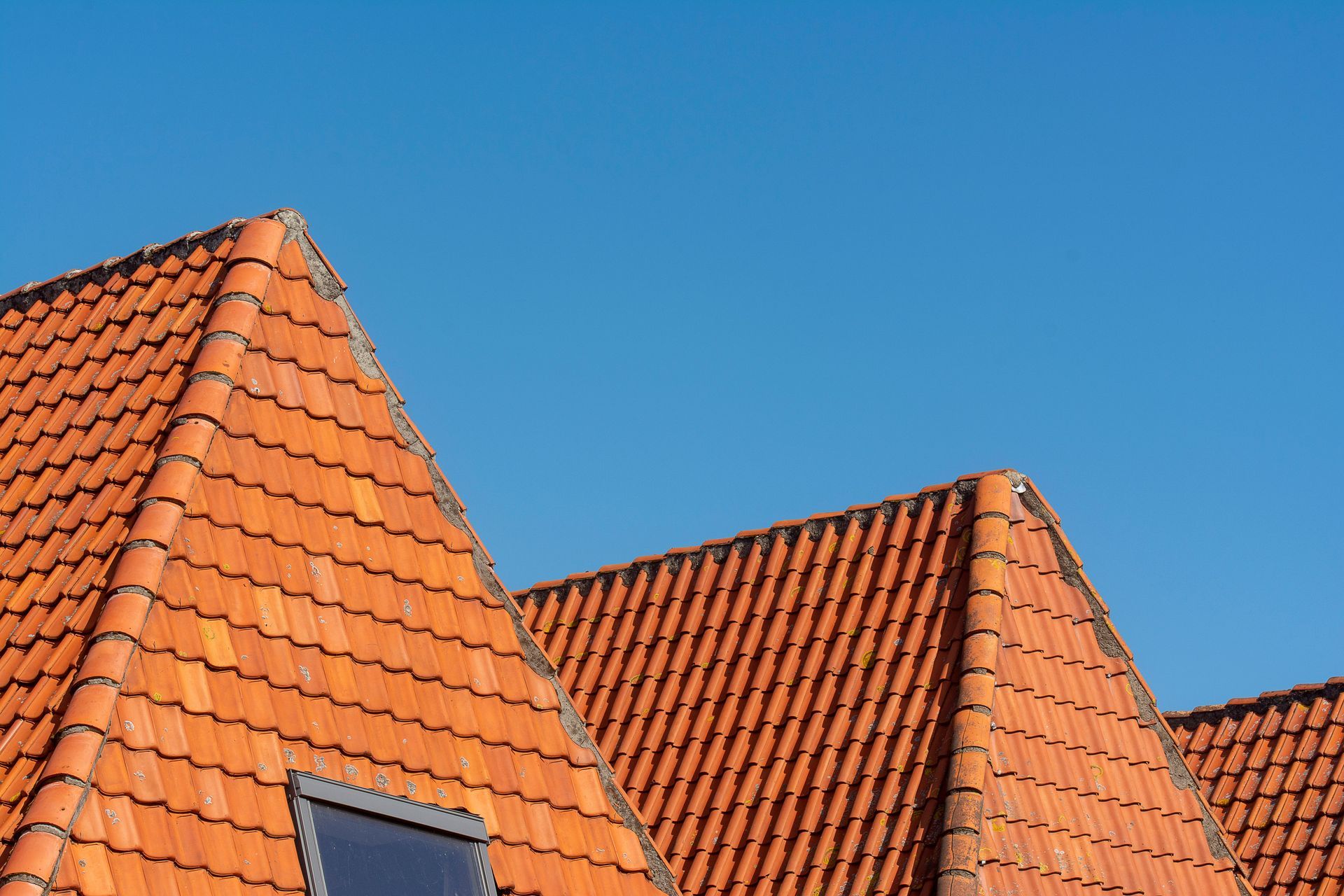
Windsor's building boom came in waves. Georgian terraces and townhouses went up close to the Castle and along routes like Sheet Street and St Leonard's Road, many finished with handmade clay tiles or Welsh slate that has now weathered for well over a century. The Victorian expansion that followed added rows of brick terraces further out towards Clewer and Dedworth, often topped with clay plain tiles laid in the double-lap pattern typical of the period.
These older coverings were never designed with modern jet washing in mind. Handmade or early machine-made clay tiles are more porous and more brittle than today's concrete equivalents, and the lime mortar often used in period pointing and ridge work can be stripped out by high-pressure water long before the tiles themselves show any wear. Anyone offering roof cleaning Windsor residents can rely on for a period property should recognise the difference between a 1970s concrete tile roof and a genuine Victorian clay original before they even switch a machine on.
3. What Actually Grows on Windsor's Older Roofs
Moss, algae, and lichen all appear on Windsor roofs, but they do not appear evenly. North-facing pitches on the narrow, tree-lined streets around the town centre and in the older parts of Clewer stay damp and shaded for much of the day, which is exactly the environment moss needs to establish itself in the mortar joints and rough surface of clay tiles. Black algae streaking is more common on the smoother, more exposed pitches of newer concrete-tiled estates further out towards Dedworth.
Left long enough, moss growth on a period roof does more than look untidy. Rhizoids work into the surface of the tile and into any lime mortar bedding, gradually loosening material that was never designed to be waterproof on its own, only to shed water quickly. That is one reason routine roof cleaning Windsor households in the conservation areas invest in tends to focus on prevention and gentle removal rather than waiting until growth is thick and established.
4. Why Pressure Washing Is a Poor Fit for Period Tiles
High-pressure jet washing is a blunt tool. It can strip the fired surface, or "skin", off an old clay tile in seconds, exposing the softer material underneath to frost damage the following winter. On a modern concrete tile that skin loss is rarely a problem because the tile is uniform right through, but on a genuine Victorian or Georgian clay tile it can shorten the tile's remaining life dramatically, sometimes leaving it cracked or crumbling within a season or two.
The mortar bedding around ridge tiles and hips is even more vulnerable. Lime mortar, common on older Windsor roofs, is deliberately softer and more breathable than modern cement mortar, and it simply cannot withstand a high-pressure jet at close range. Once that mortar fails, ridge tiles can shift or slip, which is a far more expensive problem to fix than the moss that started the whole job.
5. Soft Washing: The Better Fit for Heritage Roofs
Soft washing uses low pressure, a controlled application, and a biodegradable treatment to break down moss, lichen, and algae without disturbing the tile surface or the mortar around it. Because the water pressure is closer to that of a garden hose than an industrial jet washer, it is far better suited to fragile clay and slate. For a closer look at exactly how the method works and why it protects older roofs, our guide to soft washing for Windsor's heritage roofs covers the process step by step.
The treatment is left to work into the growth rather than being blasted off, which means moss and algae lift away over the following days and weeks rather than all at once. For a homeowner on a conservation area street, this is usually the difference between a roof that still looks original and one that has visibly lost its patina after a single aggressive clean.
6. Clay, Slate, and Concrete: Not All Windsor Roofs Are the Same
Not every roof in the borough is a Georgian original. Post-war estates around Dedworth and parts of Clewer use concrete interlocking tiles, which are tougher, more uniform, and generally more tolerant of a firmer clean than handmade clay. Knowing which material is underfoot changes the whole approach, from the pressure used to the length of dwell time for any treatment. We go into this in more detail in our comparison of clay versus concrete roof tiles in Windsor, including how each responds to cleaning over the long term.
A mixed street, which is common in Windsor where infill development sits alongside genuine period terraces, often needs two different approaches on two neighbouring roofs. That is one reason a generic national cleaning service is a poor substitute for a team that has actually worked on Windsor's specific mix of housing stock.
7. Gutters, Downpipes, and the Brick and Render Underneath
A roof cannot be considered properly maintained if the gutters running along its eaves are ignored. Moss and lichen washed down from a Victorian clay roof, or simply blown in from nearby trees, collects fast in cast iron and uPVC guttering alike, and once it backs up, water finds the path of least resistance, usually down the face of the brickwork or render below. On the render finishes common in parts of Clewer and Dedworth, that kind of staining and damp penetration is far harder to reverse than a clean roof and clear gutter would have been in the first place. Our detailed guide to gutter cleaning that protects Windsor's brick and render explains what to look for and how often it needs doing.
In a conservation area, protecting the brickwork or render is not just about property value. It is part of protecting the appearance of the whole street, which is exactly what the conservation designation exists to do.
8. Choosing a Roof Cleaning Team for a Period Windsor Property
Not every contractor understands the difference between a modern re-roof and an original Victorian or Georgian covering. Before booking any work on a period property in Windsor, Eton, Datchet, Old Windsor, or the older parts of Clewer and Dedworth, it is worth asking directly what method will be used, whether the team has worked on similar roofs nearby, and how they plan to protect ridge mortar and any lead flashing during the clean. A team with genuine local experience should be able to answer all three without hesitation.
It is also worth asking what happens to debris and run-off during the clean, since conservation area gardens and pavements often sit close to the working area. A tidy, considerate approach matters just as much as the technical side of the job when you live on a street where neighbours notice everything.
- Dark green or black staining concentrated on north-facing or shaded pitches, a sign moss and algae have taken hold.
- Loose or slipped ridge tiles , which often points to mortar that has already started to fail and needs checking before any cleaning takes place.
- Moss visible in the gutter line , showing material has already washed down from the roof and is likely blocking the flow of water.
- Damp patches on render or brickwork below the roofline, usually a sign that overflowing gutters are sending water down the wall rather than away from the house.
- Tiles that look patchy or uneven in colour , which can indicate early lichen growth that is easy to treat now but harder to remove once established.
Frequently Asked Questions
Do I need permission to clean the roof of a house in a Windsor conservation area?
Routine cleaning of an existing roof does not usually require planning permission or conservation area consent, since you are not altering the building. Consent is generally needed for changes such as replacing tiles with a different material or altering the roofline, not for cleaning what is already there. If your property is also listed, it is sensible to check with the council before any work that goes beyond a simple clean.
How often should a period roof in Windsor be cleaned?
Most period roofs in the area benefit from an inspection every year or two, with a full clean roughly every two to four years depending on how shaded the property is and how much moss and algae growth has built up. Roofs on narrow, tree-lined streets in the town centre tend to need attention more often than more exposed properties further out.
Is soft washing safe for original Georgian or Victorian clay tiles?
Yes. Soft washing is specifically suited to older, more fragile tiles because it relies on low pressure and a targeted treatment rather than forceful water alone, which avoids stripping the fired surface of the tile or disturbing lime mortar pointing.
How much does roof cleaning cost in Windsor?
Costs vary depending on the size and pitch of the roof, how much scaffolding or access equipment is needed, and how established the moss and algae growth is. As a general guide, homeowners across the wider Berkshire and Thames Valley area typically budget more for period properties with steep pitches and multiple chimneys than for a straightforward single-storey extension roof, since access and care both take longer.
Will cleaning damage old clay tiles or slate?
It can, if the wrong method is used. High-pressure jet washing is the main risk to older clay and slate, since it can strip the tile surface and dislodge mortar. A low-pressure, soft wash approach is designed to avoid that damage entirely.
What is the biggest risk of leaving moss on a Windsor roof untreated?
Beyond the loss of kerb appeal on a period street, established moss holds moisture against the tile surface and works into mortar joints, which can accelerate frost damage in winter and eventually lead to slipped or cracked tiles that are far more costly to repair than a routine clean.
Looking after a period roof in Windsor?
Ben's Roof Cleaning has over 15 years of experience working on the clay, slate, and concrete roofs found across Windsor, Eton, Datchet, Old Windsor, Clewer, and Dedworth, using methods suited to each. Get in touch or call 0788 912 7153
for a free, no-obligation quote.
A Careful Approach Keeps Windsor's Period Streets Looking Their Best
Windsor's conservation areas exist because the town's rooflines, brickwork, and streetscapes are worth protecting, and that protection is only as good as the care taken by everyone who works on these buildings, including anyone cleaning the roof. Choosing a gentle, appropriate method for the specific tiles and mortar on your property is not just about avoiding damage today. It is about making sure the same roof is still doing its job, and still looking right on the street, for decades to come.