How Often Should a Windsor Roof Be Cleaned? A Maintenance Schedule
Roof cleaning Windsor homeowners tend to think about only when moss is already visible from the pavement, but by that point the roof has usually been building up growth for two or three years. A predictable cleaning schedule, rather than a reactive one, is what actually protects tiles, gutters and the brickwork beneath them over the long term. Windsor's riverside position, its mix of Georgian, Victorian and modern housing, and its conservation area streets all affect how often a roof genuinely needs attention. This guide sets out a realistic maintenance schedule for Windsor homes, and explains why the town's own conditions push some roofs to need cleaning sooner than the national average.
The quick answer: most Windsor roofs benefit from a full clean every two to three years, with gutters checked twice a year, though homes close to the Thames, under mature trees, or on north-facing slopes in the older parts of town often need cleaning closer to every eighteen months.
1. Why a fixed schedule works better than waiting for signs
Moss, algae and lichen do not appear overnight. They establish gradually in the microscopic grooves of a tile surface, and once a colony is established it accelerates its own growth by holding moisture against the roof. Waiting until the growth is obvious from the street means the roof has already been carrying that extra weight and damp for a considerable time. A scheduled approach catches growth at an early stage, when a gentle clean is enough, rather than after moss has thickened into mats that pull at the tile surface as they are removed.
Insurers and letting agents in the Windsor area increasingly ask for evidence of routine roof and gutter maintenance, particularly on rented or older stock. A simple record of cleaning dates, even a photo taken every couple of years, is a useful thing to have on file regardless of whether an insurance question ever arises.
2. How Windsor's Thames-side setting shortens the interval
Windsor sits directly on the River Thames, and the town's older neighbourhoods around Eton, Datchet, Old Windsor and the riverside stretch near the castle all sit within a landscape where humidity lingers longer than it would further from the water. Prevailing damp air off the river keeps roof surfaces wet for longer after rain, which is exactly the condition moss and algae spores need to establish. Homes on shaded, north or east-facing slopes near the river, or close to mature trees along the water meadows, are the ones most likely to need cleaning at the shorter end of the schedule.
Our article on why moss grows fast on Windsor roofs goes into more depth on this river effect, and is worth reading alongside this schedule if your property is within a few streets of the water.
3. What the wider Thames Valley climate means for roofs here
The Thames Valley, including Windsor, is on the drier side of the UK compared with the north and west of the country, but the difference between "less rain overall" and "less moss" is not as simple as it sounds. What matters for roof growth is not total annual rainfall so much as how often a surface stays damp, and how much shade it sits in. Long autumn and winter periods of low sun angle, common across the Thames Valley, mean shaded roof slopes can stay damp for days after a single wet spell even in a relatively dry region. This is one reason a fixed schedule, rather than a rainfall-based guess, tends to serve Windsor homeowners better.
4. Tile type changes the right interval
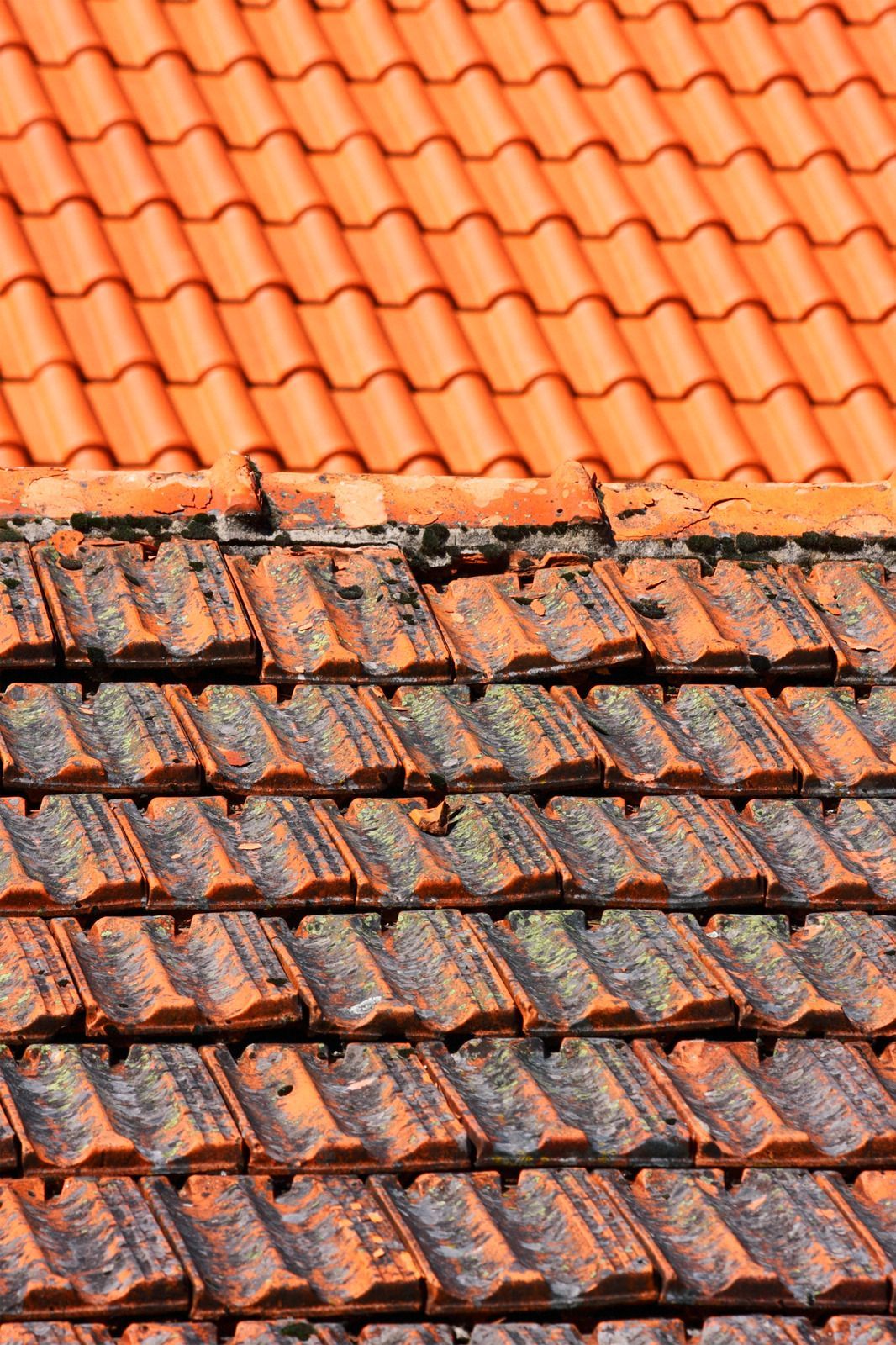
Clay and concrete tiles, both common across Windsor, do not weather the same way. Concrete tiles are more porous and tend to show algae and moss growth sooner, which for some homeowners means cleaning every eighteen months to two years keeps the roof looking presentable. Clay tiles are naturally denser and shed water more readily, and while they are not immune to growth, many clay roofs in Windsor go a little longer, often two to three years, between full cleans. Our comparison of clay versus concrete tile cleaning in Windsor explains this difference in more detail and is a useful reference before setting your own schedule.
Slate, found on some of Windsor's older properties, behaves differently again. It is dense and low in porosity, so slate roofs often need cleaning less often than tiled ones, though moss can still gather at the edges and in valleys where debris collects.
5. Conservation area streets often need a gentler, more frequent approach
Large parts of central Windsor, along with villages such as Eton and Old Windsor, fall within conservation areas designated by the Royal Borough of Windsor and Maidenhead, where the character of roofscapes as seen from the street is part of what the designation protects. On these properties, letting moss build up for years before a single aggressive clean is not ideal, since heavier growth can mean a more forceful clean is needed to shift it, which carries more risk for older clay tiles and lime-based pointing nearby. A gentler clean on a shorter, two-year cycle tends to suit period roofs in these streets better than an infrequent, heavier one. Our guide to caring for roofs in Windsor's conservation areas covers this in full, including what to be mindful of before any work begins on a listed or conservation area property.
6. Gutters need checking more often than the roof itself
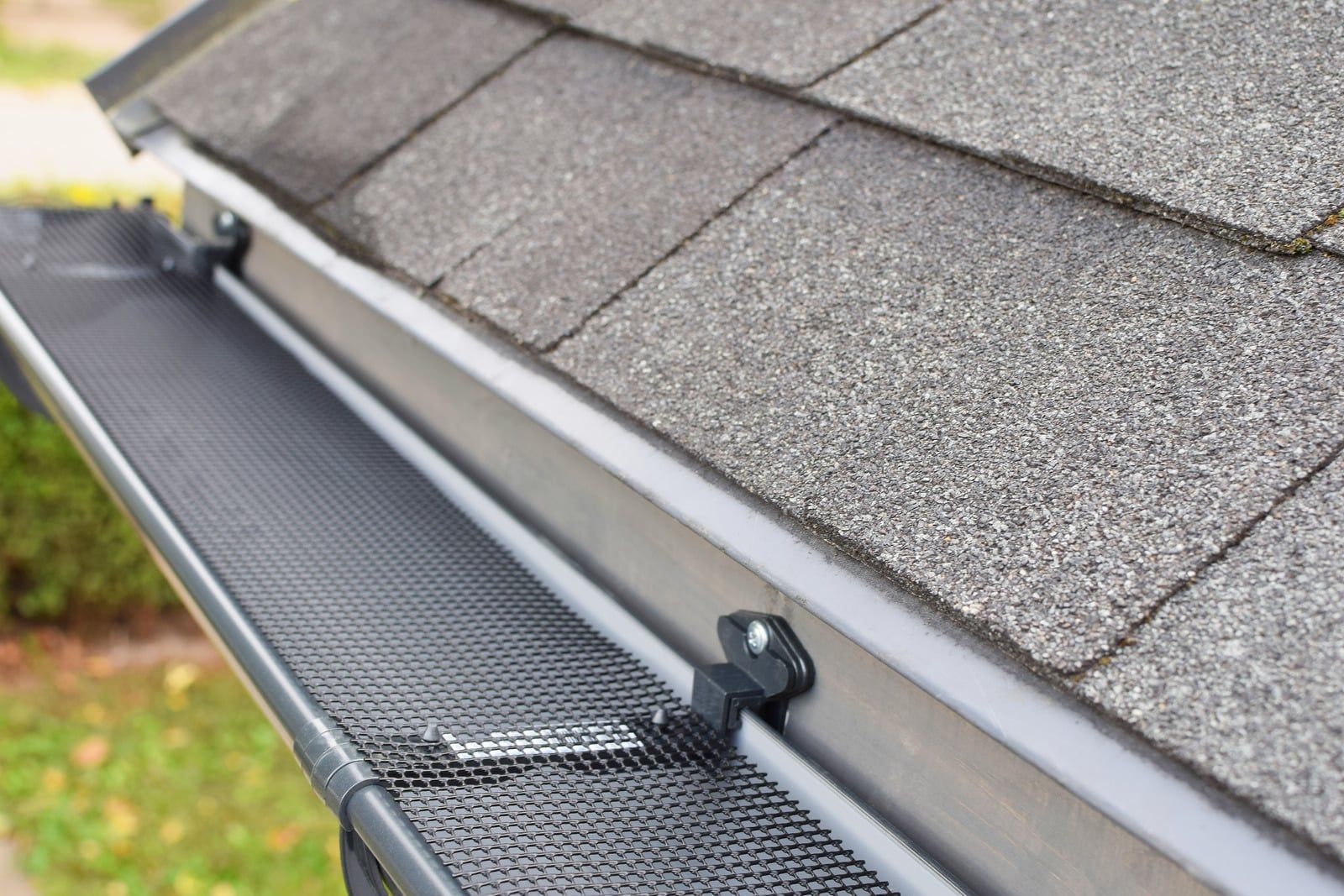
While a full roof clean might only be needed every two to three years, gutters should be checked at least twice a year, ideally in late spring after tree pollen and blossom has settled, and again in late autumn once leaves have come down. Windsor's tree-lined streets, particularly around the Great Park approaches and older residential roads in Clewer and Dedworth, mean gutters here collect more organic debris than a roof on an open, treeless plot. Debris left in a gutter holds water against the fascia and can encourage moss to spread from the gutter line back up onto the lower courses of tiles.
7. Building a practical schedule for your own roof
A sensible starting point for most Windsor homes is a full roof clean every two to three years, gutters checked and cleared twice yearly, and a visual check from ground level once a season using binoculars rather than a ladder. Properties that tick several of the higher-risk boxes below should lean towards the shorter end of that range, while an open, sunny, south-facing roof on higher ground away from the river can often stretch towards the longer end.
- Riverside or low-lying position: homes near the Thames, in Datchet, Old Windsor or the water meadows, hold humidity longer and usually need cleaning closer to every 18 months.
- Mature trees overhead: overhanging branches drop debris and block sunlight, both of which speed up moss and algae growth.
- North or east-facing slopes: these dry out more slowly after rain than south-facing slopes and tend to show growth first.
- Concrete tiles: more porous than clay, so they often need attention sooner in the cycle.
- Conservation area or listed property: a gentler, more frequent clean avoids the need for a heavier, higher-risk clean later on.
- Open, elevated, south-facing roofs: these dry fastest and can often be left towards the longer end of the schedule.
8. Signs your roof is overdue, whatever the calendar says
A schedule is a helpful default, but it should give way to what the roof is actually showing. Green or grey-green patches spreading across tiles, dark streaking running down from the ridge, moss visible at the eaves or in the gutter line, and standing water or overflow at a gutter joint during rain are all signs that cleaning is due regardless of how long it has been since the last one. Catching these signs early, rather than a set number of years later, is what keeps a roof looking cared for and functioning properly.
9. Why professional cleaning suits Windsor's older roofscapes
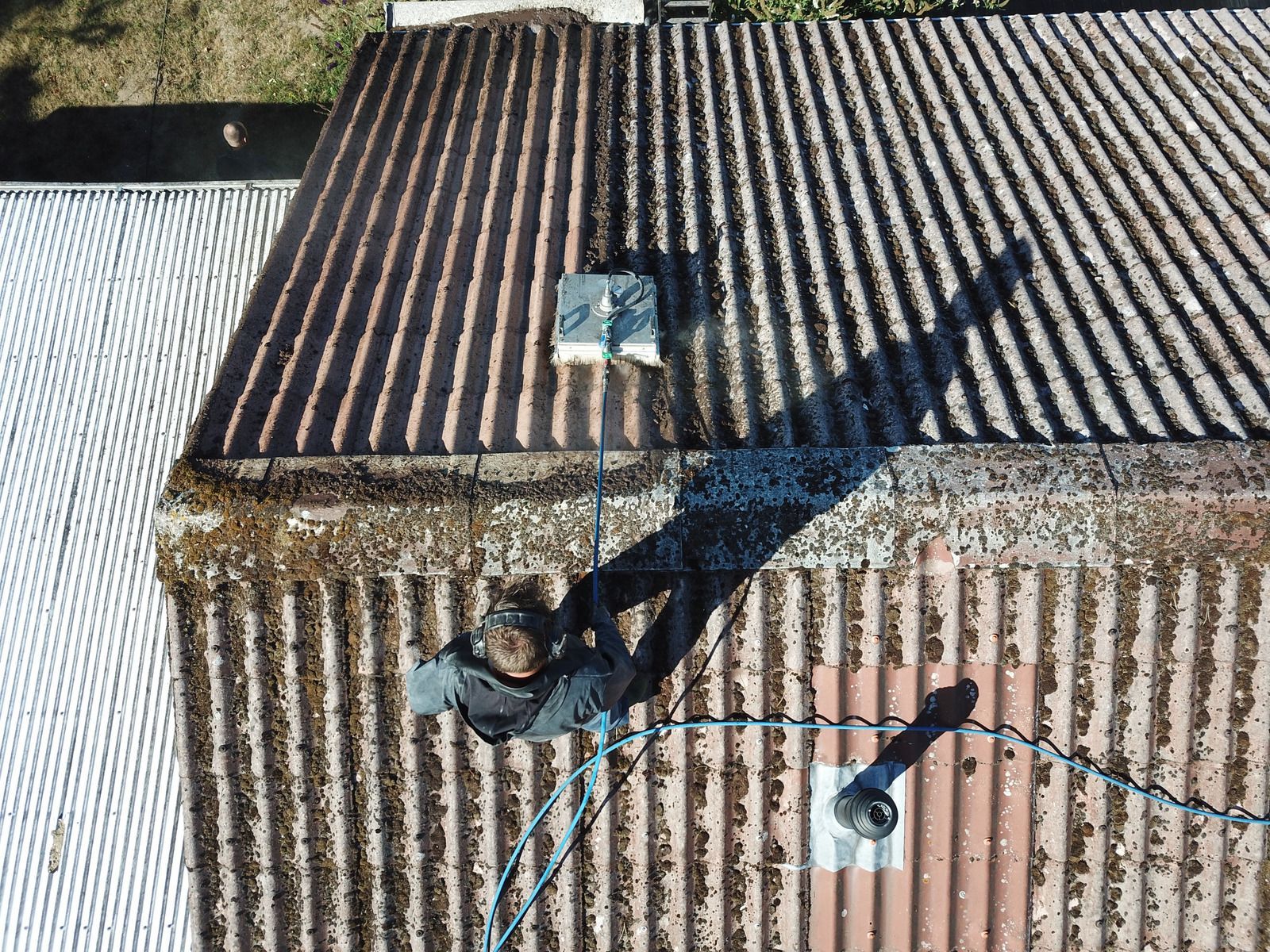
Many Windsor homes combine features that make DIY roof cleaning genuinely risky: steep pitches, fragile clay tiles, proximity to listed neighbours, and gutters running close to period brick and render. A professional using a controlled, low-pressure approach protects the tile surface and the pointing beneath it, rather than risking cracked tiles or dislodged mortar from a domestic pressure washer used at the wrong setting. Our piece on soft washing as a safe way to clean Windsor's heritage roofs explains the method in more detail for anyone weighing up a DIY attempt against calling in a specialist.
Frequently Asked Questions
How often should moss removal Windsor properties need be carried out?
For most Windsor roofs, a full clean every two to three years keeps moss from becoming established enough to damage tiles. Riverside and heavily shaded properties often do better on an eighteen-month to two-year cycle.
Does a conservation area restrict how often I can clean my roof?
No, routine cleaning is not restricted, but the method used should be sympathetic to older tiles and nearby lime pointing. Check with the Royal Borough of Windsor and Maidenhead's conservation team if you are ever planning repair work alongside cleaning.
Will my gutters need cleaning as often as my roof?
No, gutters need checking more often, ideally twice a year, since leaf and debris build-up happens far faster than moss establishes on tiles.
How much does professional roof cleaning in Windsor typically cost?
Pricing varies with roof size, pitch, access and how much growth needs removing, so costs differ from one property to the next. A specialist can give an accurate figure after seeing the roof, factoring in these variables rather than a flat rate.
Can I just leave moss on my roof if it is not causing visible problems?
You can, but moss holds moisture against the tile surface continuously, which over years can affect how tiles perform in frost and can lift edges enough for water to get underneath.
Does the type of tile on my roof change how it should be cleaned?
Yes, clay, concrete and slate all respond differently to cleaning methods and to growth in the first place, so it is worth knowing which you have before choosing a cleaning approach.
Ready to put your roof on a proper schedule?
Ben's Roof Cleaning has over 15 years of experience cleaning roofs and gutters across Windsor, Eton, Datchet and the surrounding Berkshire towns. Get in touch or call 0788 912 7153
for a free, no-obligation quote and a schedule built around your roof.
A well-timed clean protects a Windsor roof far more than a reactive one ever will
Windsor's riverside air, its mix of tile types and its conservation area streets all push in the same direction: a roof here rewards a planned, regular cleaning rhythm rather than years of neglect followed by one heavy intervention. Setting a realistic schedule based on your roof's position, material and surroundings, and pairing it with a twice-yearly gutter check, is one of the simplest ways a Windsor homeowner can protect a roof's appearance and its working life at the same time.