Conservatory and Extension Roof Cleaning in Windsor
Moss removal Windsor homeowners arrange for their main tiled roof often overlooks a section of the property that needs just as much attention: the conservatory or single-storey extension roof tucked at the back of the house. These lower, often flatter roofs sit closer to garden trees, catch falling debris from taller sections of the main roof above them, and are frequently forgotten simply because they are less visible from the street. This guide looks at what makes conservatory and extension roofs different to clean, and how Windsor's climate and housing mix affect them specifically.
The quick answer: conservatory and extension roofs typically need checking more often than the main roof, ideally every six to twelve months, because their lower pitch and proximity to trees means moss, algae and debris build up faster than on a steep, elevated tiled roof.
1. Why lower, flatter roofs collect grime faster
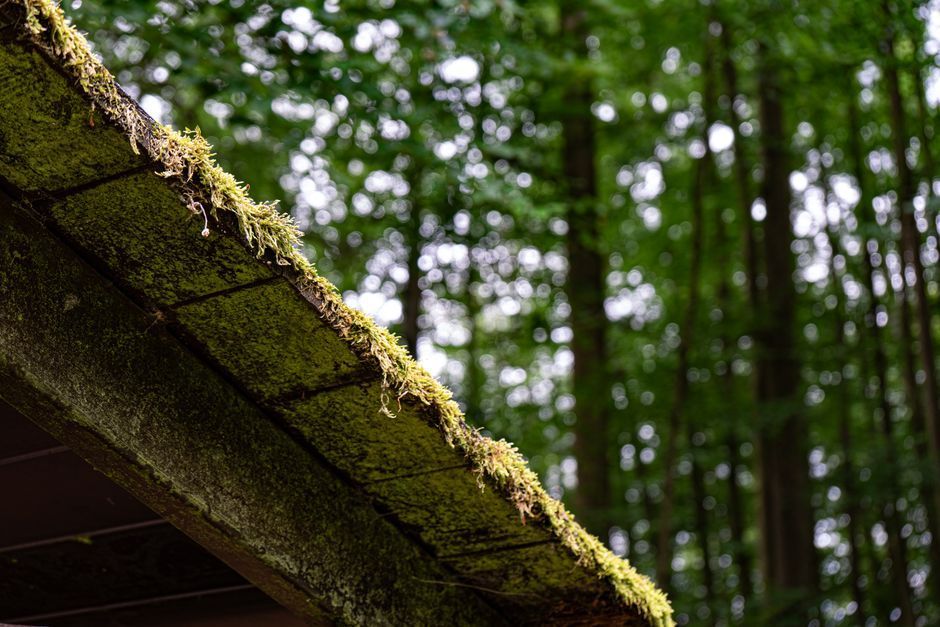
A conservatory or single-storey extension roof usually has a much shallower pitch than the main roof above it, and in some cases is close to flat. Water does not run off a shallow slope as quickly as it does off a steep tiled roof, which means rain, dew and condensation sit on the surface for longer. That extra dwell time gives algae, moss spores and general grime far more opportunity to settle and take hold than they get on a steeply pitched main roof.
These roofs also tend to sit lower down, often at garden level or just above a ground floor extension, which puts them directly under overhanging branches from garden trees and neighbouring gardens. Falling leaves, blossom, sap and bird debris collect on a conservatory roof at a rate that a main roof several metres higher up rarely experiences.
2. The main roof above often adds to the problem
Where a conservatory or extension sits beneath a taller section of the main house, debris washed down from higher tiles during rain frequently lands directly on the lower roof. Moss fragments, grit and organic matter from the main roof can accumulate on a conservatory roof even if the extension roof itself is a completely different material. This is a detail many homeowners miss, assuming their glass or polycarbonate roof is unaffected by what happens on the tiled roof above.
This effect is often most noticeable directly beneath a valley or the point where two roof sections meet, since that is where rainwater from the largest area of tiled roof concentrates before running off. A conservatory positioned under such a junction can show far more grime along one edge than across the rest of the panel, which is worth checking specifically rather than assuming the whole roof is equally dirty.
3. Materials found on Windsor conservatory and extension roofs
Windsor's conservatories and extensions use a mix of materials, including glass, polycarbonate, and increasingly solid tiled conservatory roof systems designed to match the main house. Each behaves differently. Glass shows dirt and algae staining clearly, since any residue is highly visible against a transparent surface, particularly to anyone looking down on it from an upstairs window. Polycarbonate is more porous at a microscopic level and can develop a grey or green film that dulls the amount of light coming through. Tiled conservatory roofs behave much like a small-scale version of the main roof and pick up moss in the same way as any low-pitch tiled surface.
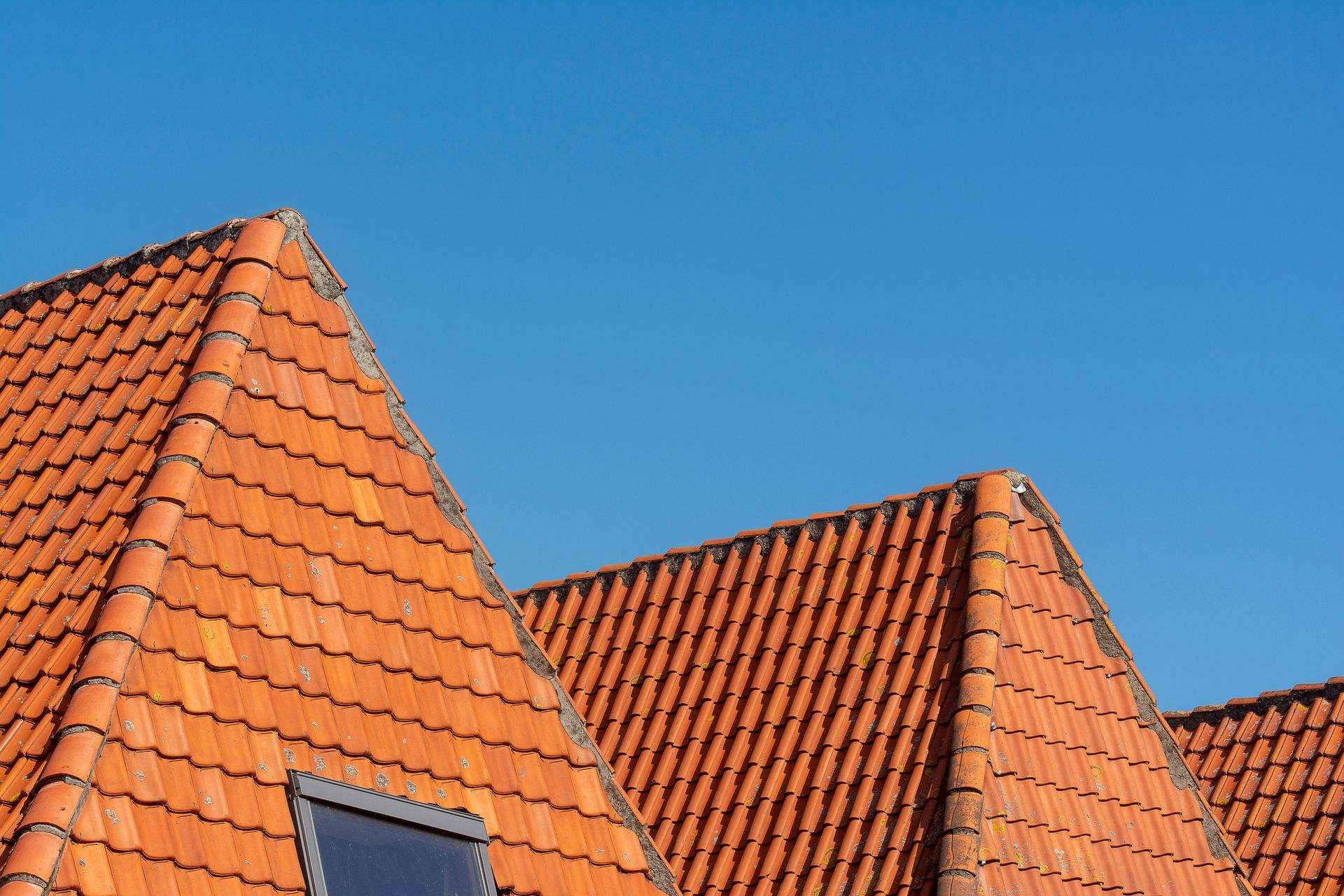
On period properties in Windsor's conservation areas, where an extension has been built to sympathetically match a Georgian or Victorian main house, the roofing material is often chosen to blend in rather than stand out, which can mean similar clay tiles are used at a shallower pitch. Our guide on clay versus concrete tile cleaning in Windsor is a useful reference if your extension roof uses the same tile type as the main house.
4. Why gentle methods matter more on these roofs
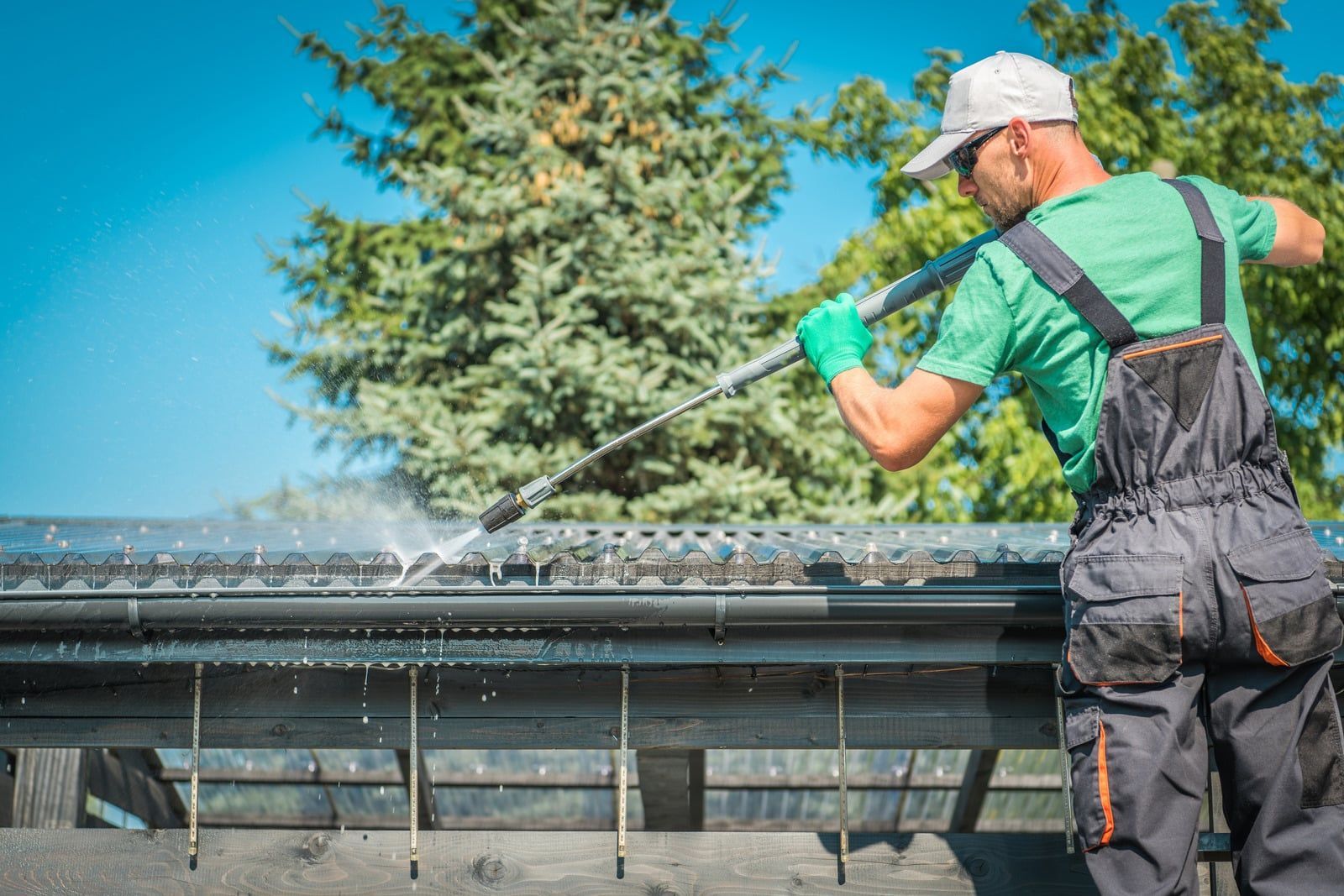
Glass and polycarbonate conservatory roofs are more easily scratched or damaged than tough clay or concrete tiles, which makes an aggressive cleaning approach genuinely risky. A pressure washer used at close range or at too high a setting can crack a polycarbonate panel or damage the seals around a glass roof, leading to leaks that are far more costly to fix than the original moss problem. A gentle, low-pressure approach is far better suited to these delicate surfaces, whatever material they are made from.
Our article on soft washing as a safe way to clean Windsor's heritage roofs explains this gentler method in detail, and the same principle applies just as strongly to a conservatory or extension roof as it does to a fragile period tiled roof.
5. Conservation area considerations for extensions
Windsor's conservation areas, including much of the town centre and parts of Eton and Old Windsor, place particular importance on how additions to period properties are seen from the street and from neighbouring gardens. An extension roof that has been carefully matched to the main house in tile colour and type is part of what keeps a period streetscape looking coherent, and letting moss or grime build up unevenly across the two roofs can make that careful matching less effective visually. Regular, gentle cleaning helps keep an extension roof looking consistent with the older roof it sits beside.
6. Checking for problems specific to conservatory roofs
Beyond moss and algae, conservatory and extension roofs benefit from a periodic check of the ridge, ends and glazing bars where leaks are most likely to start. A build-up of moss or debris at these points can hold moisture against seals and fixings for far longer than on an open expanse of glass or tile, which over time can contribute to the kind of small leaks that are much easier to prevent than to repair. A roof that is kept clear of debris drains properly and gives water far less opportunity to sit against a vulnerable joint.
Gutters around a conservatory or extension often run at a lower level than those on the main house, and because they collect debris from both the extension roof and whatever washes down from above, they tend to fill up faster than gutters serving a simple, single-pitch roof. Checking these lower gutters alongside the roof itself, rather than assuming they follow the same schedule as the main house gutters, helps catch blockages before they cause an overflow onto brickwork or render below.
7. How often conservatory and extension roofs actually need attention
Because of their lower pitch, proximity to trees and exposure to debris from the main roof above, conservatory and extension roofs generally need checking more often than the main tiled roof. A visual check every few months, with a proper clean roughly every six to twelve months depending on how much tree cover surrounds the property, keeps these roofs performing well and looking presentable from the garden.
8. Moss Removal Windsor Conservatory Owners Should Watch For
Rather than working strictly to a calendar, it helps to know the specific signs that a conservatory or extension roof needs attention, since these often differ from the signs on a main tiled roof.
- Reduced light indoors: a noticeable dimming inside a conservatory is often the first sign of algae or grime building up on a glass or polycarbonate roof.
- Green or black staining: visible discolouration on panels or ridge sections signals algae or moss has established and is holding moisture against the surface.
- Debris collecting at valleys or gutters: where the conservatory roof meets the main house, debris tends to gather and should be cleared before it blocks drainage.
- Slow drying after rain: a roof that stays visibly wet long after the rest of the garden has dried is holding moisture that encourages further growth.
- Visible moss on adjoining tiled sections: moss on a nearby tiled extension roof often signals the same conditions favour growth on the glazed sections too.
Frequently Asked Questions
How is roof cleaning Windsor conservatory owners need different from tiled roof cleaning?
Conservatory roofs are generally more delicate, particularly glass and polycarbonate, so a gentler, low-pressure approach is used to avoid scratching panels or damaging seals that a tougher tiled roof would tolerate.
How often should a conservatory roof be cleaned?
Most conservatory and extension roofs benefit from a clean every six to twelve months, more often than a steep tiled main roof, because of their shallower pitch and closer proximity to trees.
Can pressure washing damage a polycarbonate or glass roof?
Yes, high pressure at close range can crack polycarbonate panels or force water past seals on a glass roof, which is why a gentler soft washing approach is generally preferred.
Does debris from my main roof really affect my conservatory roof?
Yes, moss fragments, grit and organic material washed down from a taller tiled roof commonly land on a lower conservatory or extension roof during rain, adding to what collects there from nearby trees.
What does cleaning a conservatory roof typically cost?
Pricing depends on the roof's size, material, pitch and how much growth has built up, so costs vary between properties. A specialist can quote accurately after seeing the roof in person.
Will cleaning my conservatory roof let more light into the room?
Often yes, since algae and grime film on glass or polycarbonate noticeably reduces the amount of daylight passing through, and removing it typically brightens the room again.
Conservatory roof looking dull?
Ben's Roof Cleaning has over 15 years of experience cleaning conservatory, extension and main roofs across Windsor, Eton and the surrounding areas. Get in touch or call 0788 912 7153
for a free, no-obligation quote.
A conservatory roof deserves the same regular care as the roof above it
Conservatory and extension roofs in Windsor face a particular combination of low pitch, nearby trees and debris washed down from taller sections of the house, which together mean they often need more frequent attention than the main roof itself. Treating these roofs as part of a regular cleaning routine, rather than an afterthought, keeps light coming into the room, protects the seals and glazing bars, and helps a carefully matched extension continue to sit well alongside a period main roof.