When Is It Too Late to Clean a Moss-Covered Roof?
There is a point where a mossy roof stops being a cleaning job and becomes a repair job, and homeowners with a heavily overgrown roof often worry they have already crossed it. Usually they have not. Moss makes a roof look far worse than it is, and a green, streaked roof that seems beyond saving is frequently sound underneath, needing only a proper clean. But the point does exist, and knowing where it lies helps you act sensibly rather than either giving up too early or cleaning a roof that genuinely needs replacing.
This guide explains when it is too late to clean a moss-covered roof, what signs point to repair or replacement instead, and why an inspection is the only way to know for certain.
Cleaning Is Possible While the Roof Is Sound
The key principle is simple: a roof can be cleaned as long as its tiles and structure are still sound. Moss on the surface, however thick and unsightly, does not by itself put a roof beyond cleaning. Heavy growth is removed with gentle, no-contact methods, and beneath it the tiles are very often intact and perfectly serviceable.
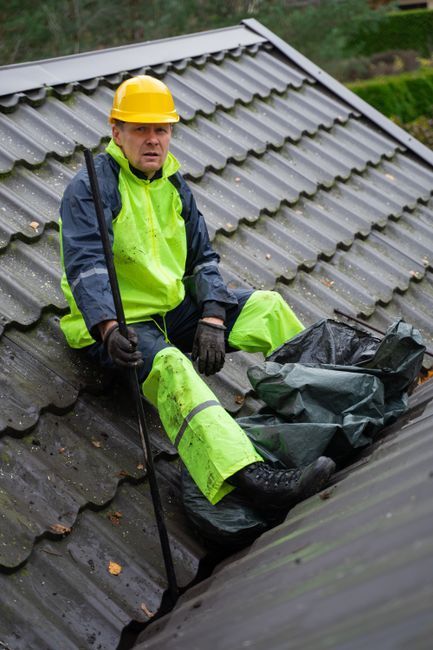
This is why appearances mislead. A roof that looks ruined from the ground, solidly green, streaked black, crusted with lichen, is usually just dirty, not damaged. In the great majority of cases it is not too late to clean; it simply needs a thorough clean and a biocide to slow regrowth. The instinct to write off a mossy roof is nearly always premature.
When It Becomes Too Late for Cleaning Alone
Cleaning alone is no longer the answer when the moss has been left so long that the roof has suffered real structural or material damage. Several signs point to this.
Widespread cracked or failed tiles. A few cracked tiles can be replaced as part of cleaning, but if large numbers of tiles across the roof have cracked, spalled, or crumbled, often after years of freeze-thaw damage driven by trapped moss, the covering itself may need substantial repair or partial replacement.
Deteriorated underlay. If the underlay beneath the tiles has broken down, the roof's second line of defence against water is gone, and cleaning the tiles will not restore it. This usually needs to be addressed through repair.
Structural damage. Where long-term water ingress has reached and decayed the timber, or the roofline sags, the problem is structural. Cleaning the surface does nothing for damaged rafters or battens, which need proper repair.
Extensive leaks and internal damage. Persistent leaks and significant damp inside indicate the roof has been failing for some time, and the priority becomes repairing the roof's integrity rather than cleaning its surface.
Warning: The danger is not usually cleaning a roof too late, but leaving a mossy roof so long that it reaches this stage. Every year that heavy moss sits on a roof, holding water and feeding freeze-thaw cracking, moves it closer to the point where cleaning alone is no longer enough. Acting while the roof is still sound is what keeps it a cleaning job.
Why an Inspection Is Essential
Because the difference between a dirty roof and a damaged one cannot be judged reliably from the ground, an inspection is the only way to know which you have. An assessment looks at the tiles for cracking and failure, checks the mortar and, where possible, the underlay and loft for signs of water ingress, and gauges whether the structure is sound. From that, it becomes clear whether the roof can be cleaned, cleaned with some tile replacement, or needs more substantial repair first.
This matters because it prevents both mistakes: giving up on a roof that only needed cleaning, and cleaning a roof that actually needs structural work. A
Roof Cleaning provider that inspects first can tell you honestly which category your roof falls into. Checking the gutters and roofline is part of this picture too, since blocked, overflowing guttering often accompanies a long-neglected roof, and clearing it through
Gutter Cleaning addresses one of the routes water has been taking. In our 15 years on Sussex roofs, most roofs feared to be beyond saving have simply needed a good clean.
It is rarely too late to clean a moss-covered roof, because cleaning is possible as long as the tiles and structure are still sound. It becomes too late for cleaning alone when the roof has widespread cracked or failed tiles, deteriorated underlay, or structural damage from long-term water ingress, at which point repair or partial replacement is needed instead. An inspection is the only reliable way to tell which situation you are in.
Frequently Asked Questions
My roof is completely covered in moss. Is it ruined?
Almost certainly not. A roof solidly covered in moss usually looks far worse than its actual condition, and the tiles beneath are often sound and serviceable. Heavy moss is removed with gentle, no-contact cleaning, revealing intact tiles in the great majority of cases. Only an inspection can confirm it, but a heavily mossed roof is rarely ruined, just badly in need of cleaning.
How do I know if my roof needs cleaning or replacing?
The reliable way is an inspection. Signs that point beyond cleaning include widespread cracked or crumbling tiles, deteriorated underlay, a sagging roofline, and persistent leaks with internal damp. If the tiles and structure are still sound, cleaning is the answer; if there is extensive material or structural damage, repair or partial replacement may be needed. An assessment tells the two apart.
Can a roof be too old to clean?
Age alone does not rule out cleaning. An older roof that is still watertight and structurally sound can be cleaned to stop further moss-related decay and protect its remaining years. It is condition, not age, that matters. An inspection of an older roof will show whether it is sound enough to clean or whether replacement has become the more sensible option.
Will cleaning a heavily mossed roof cause damage?
Not when done gently. The risk comes from aggressive pressure washing or walking a roof that may have weakened tiles, not from careful cleaning. A no-contact, water-based method removes even heavy moss while protecting the tiles, and the inspection and patch test beforehand confirm the roof can be cleaned safely and flag any tiles that need replacing rather than cleaning.
If some tiles are cracked, is it too late to clean?
A few cracked tiles do not make it too late; they can be replaced as part of the cleaning process, restoring a watertight roof. It is only when cracked and failed tiles are widespread, or the underlay and structure are damaged, that cleaning alone is no longer enough. The inspection determines whether your roof needs a clean with minor repairs or something more substantial.
Find out if your roof can still be cleaned — Book a free inspection to tell cleaning from repair before you write your roof off. Ben's Roof Cleaning assesses tiles and structure honestly. Call 0788 912 7153.
Rarely Too Late, but Do Not Wait
It is rarely too late to clean a moss-covered roof, because cleaning works as long as the tiles and structure are sound, and a roof that looks ruined by moss is usually just dirty. It becomes too late for cleaning alone only when years of neglect have led to widespread tile failure, deteriorated underlay, or structural damage, at which point repair takes over. The real lesson is not to fear that your roof is beyond cleaning, but to act before heavy moss pushes it toward that point. Get it inspected, clean it while it is sound, and it stays firmly a cleaning job rather than a costly repair.